Compliance isn’t security: The hidden risks of a checkbox approach
TL;DR: Compliance tells you you’re doing the minimum. Red teaming tells you if it actually works.
Imagine this: A Fortune 500 company proudly displays its ISO 27001 certification. Just weeks later, hackers exploit an unpatched VPN vulnerability, stealing sensitive data and demanding ransom.
How does this happen despite their “secure” status?
This scenario is all too common, and it’s a glaring example of the paradox in modern cybersecurity. Companies spend millions on compliance and certifications, yet attackers find ways in. It’s not that compliance frameworks are useless; it’s the illusion of safety they create that is dangerous.
Compliance vs. real security dilemma
Here’s the uncomfortable truth: Compliance checks don’t guarantee security, they only ensure that an organization is meeting minimum standards. And let’s be real: “minimum” doesn’t cut it when it comes to cybersecurity.
A company I once worked with proudly held a SOC 2 certification, but when we conducted a penetration test, we found multiple vulnerabilities that the auditors had missed. It wasn’t a huge surprise as audits often focus on the basics, and attackers are way more creative. This is where red teaming comes into play.
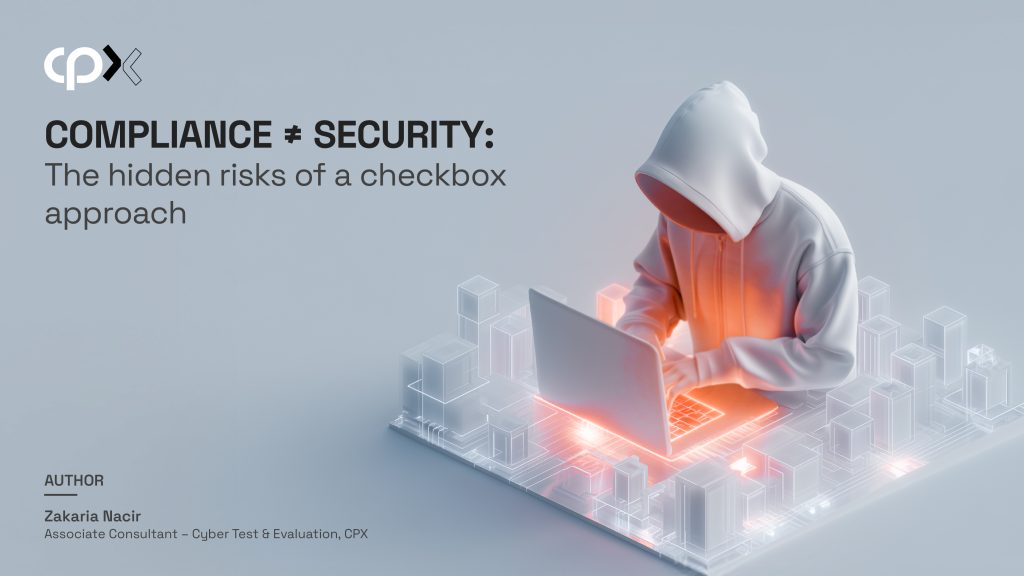
You see, red teaming isn’t about ticking boxes. It’s about thinking like an attacker and trying to break into a system using the same tactics that real-world attackers would use.
This kind of testing digs deeper, simulating sophisticated attack techniques and testing how far the organization’s defenses will hold up.
The problem with the checkbox approach
The appeal of compliance is undeniable.
- Document policies
- Pass audits
- Display certifications
It gives executives and boards a sense of accomplishment: “We’ve done our part.”
But this mindset is exactly why security fails. Auditors check for things like strong password policies, firewalls, and access controls, which are essential, but they don’t test how these measures hold up against real attackers. Hackers don’t follow compliance checklists. They find and exploit the gaps that audits miss.
- Attackers bypass compliance controls: Compliance is static. Hackers are dynamic. Just because you passed an audit doesn’t mean your systems are secure. Attackers look for ways around the “minimum” protections.
- Compliance doesn’t test for real-world attacks: An audit might confirm you have a firewall, but it doesn’t simulate an attacker exploiting human behavior—through phishing, social engineering, or abusing trust. These tactics still account for the majority of real-world breaches.
The result? Organizations that look secure on paper fall apart when faced with an actual attack.
Why red teaming is a game-changer
When we think about testing security, we need to move beyond audits and checklists. Red teaming is like having someone try to break into your home, but with the knowledge and skills of a professional burglar. Instead of relying on auditors to check the minimum standards, red teams challenge the entire security posture by simulating how attackers think and operate.
Conclusion: Moving beyond compliance
Compliance is necessary. It sets a foundation for security. But it shouldn’t be the finish line. To stay ahead, organizations need to constantly test their defenses, adopt a red team mindset, and evolve with the threats. Don’t rely solely on compliance to ensure your safety. The attackers aren’t playing by the same rules, and neither should your defense strategy.
At the end of the day, real security isn’t about checking boxes. It’s about staying vigilant, constantly challenging your assumptions, and being ready for the unexpected.
Get in touch to discover how CPX can help your organization move beyond compliance and build true cyber resilience.