DevOps is a set of practices that enable the integration of software development, testing, and operations into a single holistic process. Traditionally, the integration of these processes happened at the end of the software development lifecycle and this approach is no longer considered efficient. The DevOps or the continuous integration and continuous delivery (CI/CD) approach, provides several benefits like quicker software delivery, increased collaboration, and higher quality.
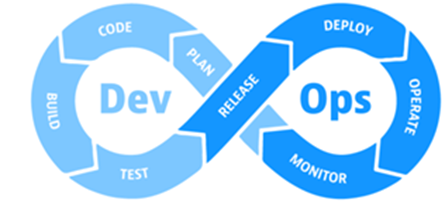
Figure 1 – DevOps Process
But with this shift toward speed and automation, critical questions arise:
- How does security fit into this new approach?
- How can security be seamlessly integrated into DevOps without slowing it down?
This is where DevSecOps—the integration of security into every phase of DevOps—comes in. The goal is not to trade agility for safety, but to weave both together. From a GRC perspective, success depends on embedding security into both culture and processes without compromising velocity or innovation.
Let’s discuss how DevSecOps (Security-integrated DevOps) can be implemented and delivered without impacting the agility of the overall approach.
The InfoSec Angle
At the core of DevOps implementation, there is heavy reliance on automation for running tests, checks, deployments, etc., to build a seamless CI/CD pipeline requiring minimal manual intervention.
Integrating security in each of these areas requires a similar automation without impacting the flow or the timelines. At the same time, there should be no compromise on the security posture due to these additional requirements.
For some, this can sound like a complicated task that they would prefer to avoid, however, careful consideration toward automating most of the traditional security efforts, without impacting the core goals of the DevOps, will act as an enabler toward enhanced security.
From an executive perspective, there are two initiatives that can allow security to be adapted across DevOps and make a significant impact. These initiatives include embedding security into both culture and processes, supported by the right technologies.
Culture: Security as everyone’s responsibility
The change in the mindset around the concept of security is everyone’s responsibility. This needs to be established and implemented. To do that, it goes without saying that security should be involved from the early stages of software design, and it always feeds back to the development process as it evolves.

Figure 2 – Security involved from early stages of software design
Six cultural changes required for successful DevSecOps process:
- Ensure that security is not introduced only in the final stages of software development to point out weaknesses. In fact, include Security and the IT Operations functions from the initial stages of software development to build a secure and stable software.
- Encourage a collaborative culture where all the functions (Development, Testing, Operations, and Security) are involved in security decision making. Ensure that there are frequent touch points between the different functions to have effective collaboration.
- Security should not have the veto power to sign-off on all security-related decisions; instead, it should be a collaborative process. This will encourage the shift in mindset that everyone is responsible for security.
- Communicate that security is a core enabler, deeply embedded in the value of every product and services built. Keep this messaging transparent, open, and continuous to instill this deep into the culture and for everyone to start realizing its value.
- Provide additional training to developers to design code according to security best practices. This will help remove most security weaknesses during the development stages.
- Empower the developers with additional security responsibilities by building security champions within each team. Extend this concept to other functions like testing and operations. Embed security team members into these teams to provide adequate support. Do not expect the security champions to become security experts but possess enough knowledge to guide the team towards the secure approach and escalate issues to the security team members as required.
Processes and Technologies: Embedding Security into the Pipeline
Key areas like application security, infrastructure security, CI/CD pipeline, and security monitoring need to be realigned according to the core requirements of the DevOps process. Establishing appropriate processes and introducing the relevant technologies is critical to accomplishing security goals without compromising the speedy delivery of software promised by this approach.
Six process and technology adaptations for a successful DevSecOps process:
- Establish framework, tools, and technologies to govern security within the DevOps process.
- Automate the core security efforts and ensure that it provides continuous security testing throughout the software delivery cycle.
- Embed all the required security compliance requirements, policies, processes and controls into the CI/CD cycles.
- Ensure that there are minimal false alarms that disrupt the delivery of software in a timely manner.
- Introduce technology into the environment to provide continuous visibility. This will be used for effective security monitoring and incident management.
- Incorporate security architecture design review, application security testing (SAST, DAST and manual testing) and penetration testing within the DevOps process.
According to Verified Market Research, the global DevSecOps market was valued at US$9.72 billion in 2024 and is projected to reach US$22.71 billion by 2032, growing at a CAGR of 12.98% from 2026 to 2032. This clearly shows the overwhelming reception and push from the industry regarding the adoption of the DevSecOps process. While this trend provides significant benefits, it should not come at the cost of reduced security.
Trust, but verify
Despite any actions taken to enhance the processes and overall security focus, the end result should always be independently tested. Usually, teams tend to “mark their own work” given all the effort put forward to deliver whatever they have been tasked to do. It is of high importance to account for the necessary time to verify the end-solution as a whole.
Learn more about CPX’s Cyber Consulting Services.
Organizations can reach out to cyber risk management consultants to review, discuss, optimize and further enhance their DevOps approach/lifecycle.